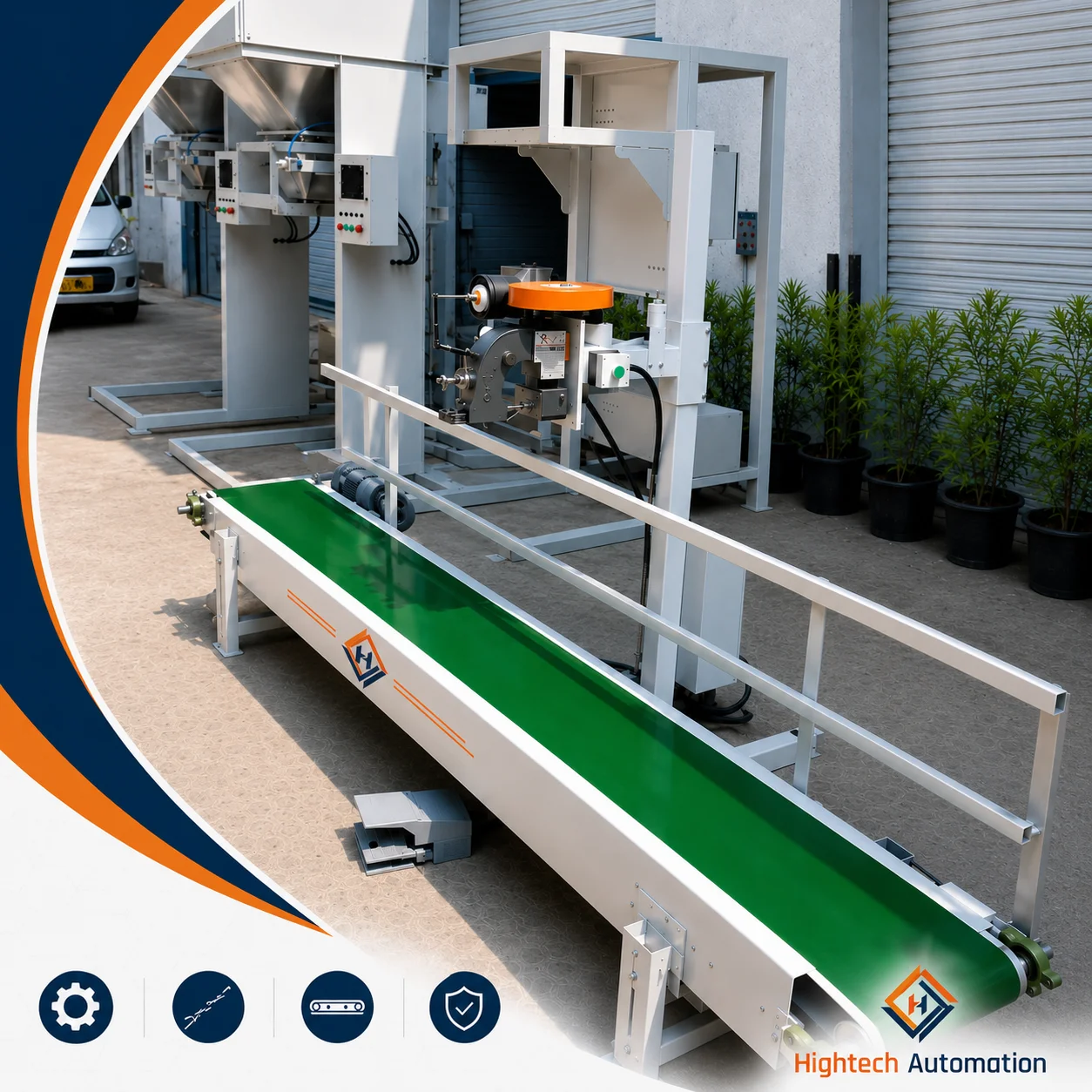

industrial bag sewing machine with conveyor belt
In the realm of modern manufacturing and material handling, the efficient and secure closure of bags is paramount. An industrial bag sewing machine coupled with a conveyor belt represents a significant advancement in packaging automation. This integrated system streamlines the process of closing various types of bags, enhancing both speed and consistency. It is an essential piece of equipment for industries dealing with bulk goods, from agriculture and food products to chemicals and construction materials, ensuring products are well-sealed for transport, storage, and sale.
Understanding the Industrial Bag Sewing Machine with Conveyor Belt
An industrial bag sewing machine with a conveyor belt is designed to automate the final stage of bag filling operations: sealing the bag. The conveyor belt transports the filled bags to the sewing station, where an integrated sewing head stitches the bag top shut. This automation eliminates the need for manual handling at this critical point, significantly boosting throughput and reducing the risk of errors or inconsistent seals.
These systems are engineered for robustness and reliability, capable of handling a high volume of bags continuously. They are typically found in environments where efficiency, cost-effectiveness, and a secure product package are crucial.
Key Components and How They Work
A typical industrial bag sewing machine with a conveyor belt comprises several key components:
- Sewing Head: The core of the system, responsible for creating a strong, durable stitch. Different types of stitches can be employed depending on the bag material and the required seal integrity.
- Conveyor Belt System: This transports the filled bags from the filling station to the sewing head and then to the next stage of the packaging process. The speed of the conveyor is often adjustable to match the production flow.
- Bag Top Guiding/Folding Mechanism: Before sewing, this component ensures the bag top is properly presented to the sewing head, often folding it to create a clean and consistent seam.
- Control Panel: Allows operators to adjust settings such as conveyor speed, sewing parameters, and to start or stop the system.
- Optional Features: Depending on the model, systems may include automatic bag top trimming, lubrication systems for the sewing head, and auto-feeding mechanisms.
The synergy between the conveyor and the sewing machine ensures a continuous, automated workflow. Bags are fed onto the conveyor, travel to the sewing station, get their tops sewn shut, and are then discharged for further processing or packaging.
Applications and Use Cases
The versatility of industrial bag sewing machines with conveyor belts makes them suitable for a wide range of applications across various industries:
Food & Agriculture
Ideal for closing bags of grains, animal feed, fertilizers, seeds, sugar, flour, and other agricultural products. Ensures products remain fresh and secure.
Chemical Industry
Used for packaging powdered or granular chemicals, such as detergents, pigments, and industrial salts, requiring robust sealing against moisture and contamination.
Construction Materials
Suitable for sealing bags of cement, sand, plaster, aggregates, and other building materials where strong bag closures are essential.
General Packaging
Applicable to a broad spectrum of bagged goods, including resins, plastics, textiles, and various industrial components.
Key Benefits of Automation
Integrating an industrial bag sewing machine with a conveyor belt offers substantial advantages:
- Increased Production Speed: Automation drastically reduces the time required to close each bag, leading to higher overall output.
- Reduced Labor Costs: Minimizes the need for manual labor in the bag closing process, freeing up personnel for other tasks and reducing operational expenses.
- Consistent Seam Quality: Automated systems ensure uniform, strong stitches every time, leading to better package integrity and fewer product losses.
- Improved Workplace Safety & Ergonomics: Reduces repetitive strain injuries associated with manual bag handling and sewing.
- Enhanced Product Protection: Secure and consistent bag closures protect products from environmental factors like moisture, dust, and contamination during transit and storage.
- Adaptability: Many systems can handle a variety of bag materials and sizes with appropriate adjustments or changeovers.
Choosing the Right Industrial Bag Sewing Machine with Conveyor Belt
Selecting the appropriate system involves considering several critical factors to ensure it meets your specific operational needs:
Key Selection Criteria
- Bag Type and Material: The machine must be compatible with the types of bags you use (e.g., paper, plastic, woven polypropylene) and their dimensions.
- Production Volume: Consider your daily or hourly throughput requirements. The conveyor speed and sewing cycle time will determine the machine's capacity.
- Stitching Requirements: Different applications require different stitch types for security and durability. Understand the stitching capabilities of the sewing head.
- Dust and Environment: If working with fine powders or in harsh environments, look for machines with features that protect the sewing head and conveyor from dust and debris.
- Integration Needs: Ensure the system can be seamlessly integrated with your existing filling and handling equipment.
- Maintenance and Support: Consider the availability of spare parts and the manufacturer's technical support and service capabilities.
Quality Checks Before Purchase
Before committing to a purchase, it's advisable to:
- Request a demonstration of the machine operating with your specific bag types and materials.
- Inquire about the expected lifespan and typical maintenance schedule.
- Understand the warranty and after-sales service options.
- Verify the availability of trained technicians for installation and support.
Questions to Ask Your Supplier
What is the maximum number of bags per minute the system can handle?
Understand the system's throughput capacity based on conveyor speed and sewing head performance.
What types and sizes of bags can this machine effectively process?
Clarify the range of bag dimensions and materials the machine is designed for.
What kind of stitch does the sewing head produce, and is it suitable for my product's sealing needs?
Ensure the stitch type offers the required security and durability for your application.
What are the power requirements and footprint of the integrated system?
Confirm compatibility with your plant's infrastructure and available space.
What is the availability of spare parts and ongoing technical support?
Crucial for minimizing downtime and ensuring long-term operational efficiency.
Your Partner in Packaging Automation
Implementing an efficient bag closing solution is vital for streamlining operations. We understand the demands of high-volume packaging across various industries. Our focus is on providing robust and reliable industrial bag sewing machines that integrate seamlessly with conveyor systems to enhance your production line's efficiency and output.
We are committed to offering solutions that ensure secure product packaging, reduce operational costs, and improve overall workflow. Partner with us to find the right automated bag closing system tailored to your unique requirements, ensuring your products are sealed effectively and your business operations run smoothly.
Ready to Enhance Your Packaging Line?
Contact us today to discuss your specific needs for an industrial bag sewing machine with a conveyor belt. Let us help you find the optimal solution for your business.
Request a SolutionFrequently Asked Questions
What is the primary function of a conveyor belt in an industrial bag sewing machine?
The conveyor belt transports filled bags from the filling station to the sewing head and then moves them away after they have been sealed. It ensures a continuous and automated flow of bags through the closing process.
Can these machines handle different types of bag materials like paper, plastic, and woven polypropylene?
Most industrial bag sewing machines with conveyor belts are designed to handle a variety of bag materials. However, it's essential to confirm compatibility with the specific machine model and your intended materials.
What are the main benefits of using an automated bag sewing system compared to manual methods?
Automated systems offer significantly higher production speeds, consistent seam quality, reduced labor costs, and improved worker ergonomics and safety.
How do I determine the right speed and capacity for my needs?
This depends on your production volume, the type of product, and the bag size. A supplier can help assess your needs and recommend a system with appropriate conveyor speed and sewing capabilities.
Conclusion
An industrial bag sewing machine with a conveyor belt is a sophisticated yet essential tool for businesses seeking to optimize their packaging operations. By automating the bag closing process, these systems deliver increased efficiency, consistent quality, and cost savings. Whether you are in agriculture, chemicals, construction, or general manufacturing, choosing the right integrated solution is key to maintaining product integrity and streamlining your supply chain. Investing in such technology signifies a commitment to modern, efficient, and reliable production.