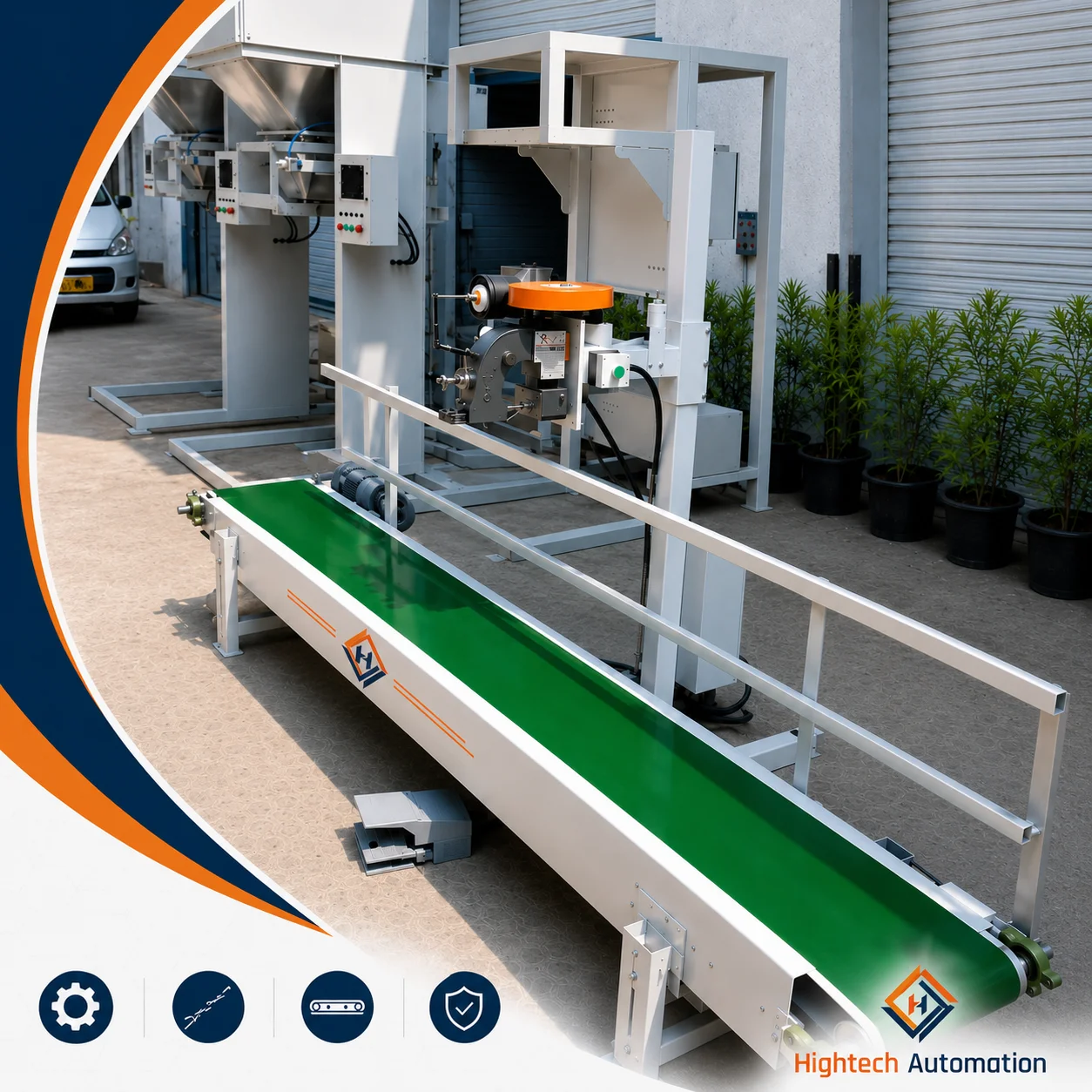

What Are The Types of Bag Packing Machines
In the realm of modern manufacturing and distribution, efficient product packaging is paramount. It ensures product integrity, extends shelf life, and plays a crucial role in branding and consumer appeal. Central to this process are bag packing machines, specialized equipment designed to efficiently package a vast array of products into bags. Understanding the different types of bag packing machines available is the first step toward optimizing your packaging operations, enhancing productivity, and reducing costs.
This comprehensive guide delves into the various classifications of bag packing machines, exploring their unique functionalities, applications, and the benefits they offer across different industries. Whether you are dealing with granular products, powders, liquids, or irregularly shaped items, there is a specific type of bag packing machine tailored to meet your requirements.
Understanding Bag Packing Machines
Bag packing machines are automated or semi-automated systems designed to fill bags with a product and then seal them, preparing them for distribution, storage, or sale. The design and functionality of these machines vary significantly based on the product's nature (e.g., solid, liquid, powder, granular), the desired bag type, and the required packaging speed and efficiency.
The core process typically involves several stages, which can be integrated into a single machine or handled by separate units:
- Bag Forming: Creating the bag structure, either from a continuous film roll or by utilizing pre-made bags.
- Filling: Accurately dispensing the product into the formed or opened bag. This often involves weighing, volumetric filling, or counting mechanisms.
- Sealing: Securely closing the bag to maintain product freshness and prevent contamination. Common methods include heat sealing, impulse sealing, or clipping.
- Ancillary Operations: Depending on the complexity, this can include degassing, gas flushing, coding, labeling, or evacuation.
The choice of machine significantly impacts operational efficiency, product presentation, and overall cost-effectiveness. Different industries, from food and beverage to chemicals and pharmaceuticals, rely on specific configurations to meet stringent requirements for hygiene, safety, and product preservation.
The Primary Types of Bag Packing Machines
Bag packing machines can be broadly categorized based on their operational mechanism and how they handle the bag material. The most common types include:
Form-Fill-Seal (FFS) Machines
Form-Fill-Seal (FFS) machines are highly versatile and efficient, forming bags from a roll of flexible packaging material, filling them with the product, and then sealing them in a continuous process. They are ideal for high-volume production and can create various bag styles, including pillow bags, gusseted bags, and block-bottom bags.
Premade Bag Fillers (Pouch Fillers)
These machines utilize pre-formed bags or pouches, which are automatically opened, filled with product, and then sealed. They are suitable for a wide range of bag types, such as stand-up pouches, zip-lock bags, and flat pouches, and are often preferred when complex bag features or premium presentation are required.
Volumetric Bag Fillers
Volumetric fillers dispense product based on a preset volume. They are commonly used for free-flowing granular products like seeds, grains, and small plastic parts. While cost-effective, they may offer less precision for products with varying densities.
Weigh Bag Fillers (Net Weigh Fillers)
Employing scales (load cells) to measure the product's weight, these fillers offer high accuracy. They are suitable for a wide range of products, including powders, granules, and even some liquids, ensuring consistent package weights, which is critical for regulatory compliance and customer satisfaction.
Beyond these primary types, specialized machines exist for specific applications, such as:
- Vertical Form-Fill-Seal (VFFS) Machines: Form bags vertically from film, ideal for powders, granules, and snacks.
- Horizontal Form-Fill-Seal (HFFS) Machines: Form bags horizontally, suitable for products requiring precise placement or for creating different bag formats.
- Bagging Machines for Bulk Products: Designed for large-volume bags (e.g., 25kg, 50kg sacks) of materials like fertilizers, animal feed, or construction aggregates.
- Doy Pack Machines: A type of premade bag filler specifically for stand-up pouches with a flat bottom, offering excellent shelf presence.
Applications and Industries Benefiting from Bag Packing Machines
The versatility of bag packing machines allows them to serve a wide spectrum of industries, each with unique demands:
Food & Beverage
From snacks and coffee beans to pet food and frozen goods, FFS and premade bag fillers ensure product freshness and tamper-evidence. Accurate weighing is crucial for portion control and compliance.
Pharmaceuticals & Healthcare
High levels of hygiene and precision are paramount. Machines in this sector often feature sterile designs, accurate dosing, and secure sealing for powders, tablets, and medical supplies.
Chemicals & Agriculture
Bulk bag filling for fertilizers, seeds, animal feed, and industrial chemicals requires robust machines capable of handling large volumes and sometimes abrasive materials accurately and safely.
Industrial Components
Packaging small hardware, fasteners, or electronic components often utilizes volumetric or weigh fillers with counters for precise quantity control and secure sealing to prevent loss.
Building Materials
Packaging items like sand, gravel, or powders in heavy-duty sacks demands robust bagging machines designed for high capacity and durability.
Buyer's Guide: Selecting the Right Bag Packing Machine
Choosing the appropriate bag packing machine is a critical decision that impacts efficiency, product quality, and profitability. Consider the following factors:
Key Selection Criteria:
- Product Characteristics: Is it a powder, granule, liquid, solid, sticky, or fragile item? This dictates the filling method (volumetric, weigh, auger, etc.) and sealing requirements.
- Bag Type and Size: What kind of bag do you need (pillow, gusseted, stand-up pouch, flat)? What are the required dimensions and maximum fill weight?
- Production Speed: How many bags per minute or hour do you need to produce? This will determine the required automation level and machine throughput.
- Accuracy Requirements: For regulated products or bulk goods, precise fill weight or volume is crucial. Weigh fillers offer higher accuracy than volumetric ones for many products.
- Automation Level: Do you need a fully automated integrated line or a standalone semi-automatic machine?
- Environmental Factors: Consider hygiene standards (e.g., food-grade, cleanroom), explosion-proof requirements, or dust control needs.
- Budget: While initial cost is a factor, consider the total cost of ownership, including maintenance, operational efficiency, and material waste.
Buyer Insight:
Always request a sample run with your actual product on potential machines. This is the most effective way to verify performance, accuracy, and compatibility. Discuss your entire packaging line needs, from infeed to outfeed, to ensure seamless integration.
Hitech Automation: Your Partner in Packaging Solutions
For businesses seeking to enhance their packaging operations with reliable and efficient automation, Hitech Automation offers a commitment to delivering solutions that drive productivity and reduce operational costs. While specific details on bag filling machine product lines were not available, the company's foundation in industrial automation and instrumentation, dating back to 1999 in India, signifies a deep understanding of manufacturing needs.
Hitech Automation's mission is centered on providing integrated automation solutions. This ethos extends to packaging, where the right machinery can dramatically improve output, ensure product quality, and enhance workplace safety. Their expertise in control systems, robotics, and automatic machinery suggests a capability to integrate sophisticated packaging equipment into broader production workflows.
Considering the diverse applications of bag packing machines across industries like food, pharmaceuticals, and chemicals, a partner with a strong background in industrial automation is essential. Hitech Automation aims to deliver these enhanced productivity and reduced operational costs through expert implementation of automation technologies.
Frequently Asked Questions About Bag Packing Machines
What is the difference between VFFS and HFFS machines?
Vertical Form-Fill-Seal (VFFS) machines create bags from film that moves vertically, ideal for free-flowing products like chips or powders. Horizontal Form-Fill-Seal (HFFS) machines move film horizontally and are better suited for products that need to be placed precisely within the bag, such as solids or liquids.
Can a bag packing machine handle sticky products?
Yes, specialized bag packing machines, often using auger fillers or specialized liquid filling systems, are designed to handle sticky or viscous products. Proper material handling and sealing techniques are crucial.
How accurate are weigh bag fillers?
Weigh bag fillers, using load cells, typically offer high accuracy, often within +/- 1-3 grams for smaller fills, depending on the product and machine capabilities. This precision is vital for cost control and meeting regulatory standards.
What is the role of sealing in bag packing?
Sealing is critical for maintaining product integrity, freshness, and safety. It prevents contamination from external elements, retains internal atmosphere (like gas flushing), and ensures the product remains contained during transit and storage.
Can these machines handle different bag materials?
Most modern bag packing machines are designed to work with a range of film materials, including various plastics (like PE, PP, PET), laminates, and sometimes paper or foil. It's important to match the machine's sealing capabilities to the film material.
Ready to Optimize Your Packaging Process?
Selecting the right bag packing machine is a significant step towards streamlining your operations and ensuring product quality. Understanding the types of machines available and their applications is key to making an informed decision.
Connect with Hitech Automation to explore how their industrial automation expertise can be applied to your packaging challenges. Discuss your specific product and production needs to find a tailored solution that enhances efficiency and reduces costs.
Explore Automation Solutions with Hitech Automation